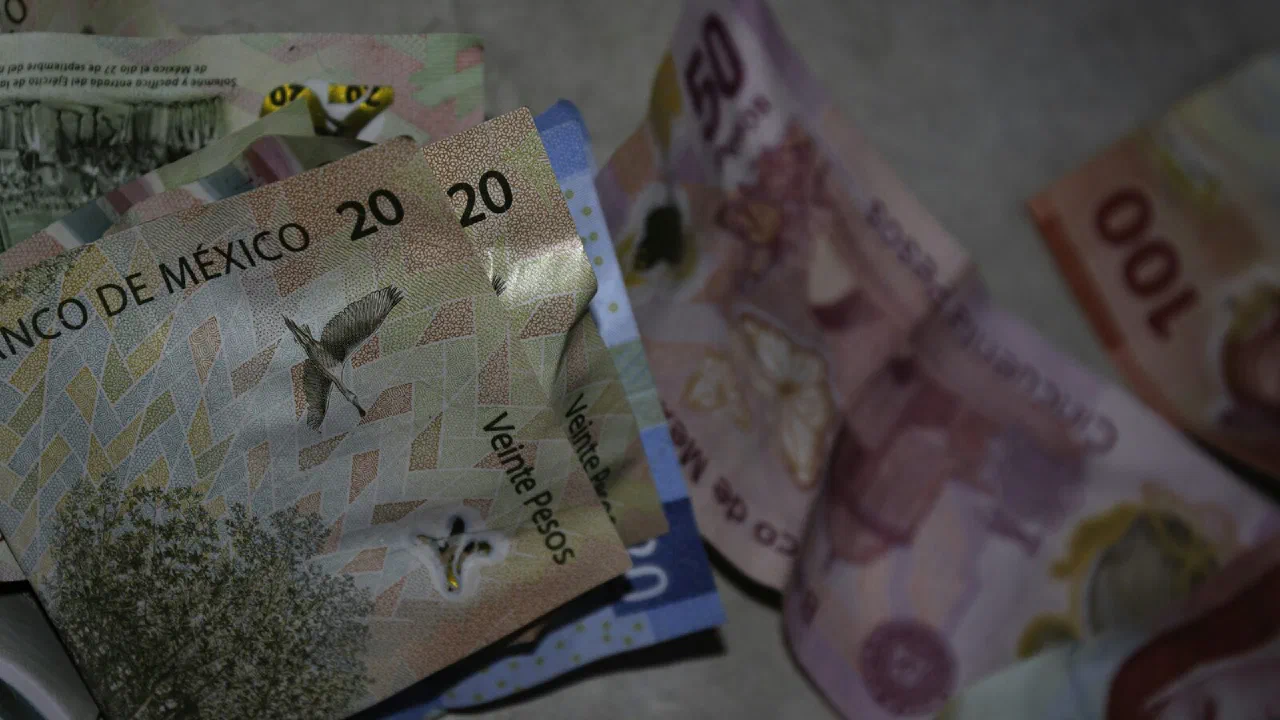
If your income is in dollars and your life is in pesos, your Mérida, Mexico cost of living is not a number — it is a number multiplied by a rate you do not control. That is the whole of the peso question, and the practical answer is to stop asking what Mérida costs and start asking what share of your costs are peso-denominated, because that share is your exposure.
So: is Mérida, Mexico expensive? Cheaper than most of the United States and Canada on the lines that are priced locally, at parity or worse on the lines that are imported, and the ratio between those two halves moves every year without anything in Mérida changing. A reader who arrived in a year when the peso was weak and a reader who arrived when it was strong will give you two honest and incompatible answers to the same question. Both are describing the rate, not the city.
Checked on 2026-10-08. No exchange rate appears below, and none will: a rate printed in a post is wrong within the week, and this site does not forecast currencies. The sources are named instead — Banco de México publishes the official reference rate, and INEGI publishes the consumer price index — so you can read today’s figures yourself rather than inherit mine.
Is Mérida, Mexico expensive? The answer has a date on it
The question is usually asked as though the city has a price level and the answer is a yes or a no. It does not work that way for someone earning abroad.
Rent, utilities, local produce, buses, domestic help and Mexican insurance are quoted in pesos and stay where they are when the rate moves. Your income, converted, buys more or fewer of them depending on a number set in currency markets. Nothing about the apartment changed. Your purchasing power did.
This is why the “is it cheap” genre ages so badly. A page listing dollar figures for rent, groceries and electricity is really listing one year’s exchange rate, and it does not say so. Read any such list — including the ones that rank for this question — as a peso figure that has already been converted for you at a rate you cannot see, on a date that is usually not printed.
The useful version of the question is: what fraction of my monthly outgoings is in pesos? For most long-stayers here it is the large majority, because rent is the biggest line and rent is in pesos. That makes a dollar-funded household in Mérida structurally long dollars and short pesos, which is a position, not a budget.
The two rates that matter, and the one you actually get
There are at least three numbers in play and people conflate them.
The reference rate. Banco de México publishes an official USD/MXN reference rate. It is the number quoted in the news and the one you should use for planning and for any comparison you make between cities. It is not a rate anyone will give you.
The rate your transfer gets. Whatever your bank, broker or transfer service applies, after its margin. The margin is often not shown as a fee; it is inside the rate. The only way to compare two providers is to divide the pesos that landed by the dollars that left and compare that figure to the reference rate on the same day. Do that once per provider and you will not need to do it again. wires, SPEI and the ATM ceiling is the mechanics of actually moving the money; this is just how to price it.
The rate at the point of sale. This one is a trap with a name. If a card terminal or an ATM offers to charge you in dollars instead of pesos, that is dynamic currency conversion, and the rate is set by the party offering it. Always choose pesos. Always, at every terminal, at every ATM, including when the screen makes pesos look like the awkward option. Your own card issuer’s conversion is nearly always better than the one being offered at the counter, and “would you like to be charged in your home currency” is a question that only ever has one correct answer.
That one habit is worth more over a year than most of the optimisation people attempt on the transfer side.
Which of your costs are actually in pesos
Sort them once. It takes ten minutes and it tells you how exposed you are.
Peso-sticky — the bulk of a long stay. Rent under a signed lease. CFE and JAPAY. Gas. Local produce, markets, tortillerías, the neighbourhood supermarket’s Mexican-brand staples. Buses, taxis, ride-hailing. Domestic help. Mexican health cover, whether IMSS or a peso-denominated private policy. Counter fees at INM and at state offices. These are the lines that make Mérida look inexpensive from abroad, and they are the lines that get quietly more expensive to you when the peso strengthens.
Dollar-tracking. Imported food and branded goods, electronics, appliances, cars, anything ordered from abroad, international flights, and some private medical equipment and pharmaceuticals. These behave more like prices at home. The household that largely replicates a North American shopping basket here has converted a large part of its budget back into dollars and then wonders why the saving did not appear.
The mixed line. Eating out splits by where. A cocina económica is peso-sticky; a foreigner-facing restaurant in Centro prices closer to what its customers will pay in dollar terms, and moves accordingly.
The composition is the decision. Two households with identical incomes and identical rents can have very different exposure, entirely because of how much of the basket is imported.
Rent quoted in dollars, and why to decline it
You will see Mérida rentals advertised in US dollars. It happens in the foreigner-facing listings, in the English-language groups, and in furnished short-term inventory that has been priced for visitors. Two reasons to push back on it.
It moves your exposure in the wrong direction. A dollar-denominated rent protects the landlord from currency movement and hands the peso risk to you in the one line where you had natural insulation. Rent is the largest, longest, most locked-in item in the budget; it is exactly where you want the currency fixed in the local unit.
It is a marker of the foreigner price. A listing quoted in dollars is a listing written for someone who has not yet learned the local market, and that is usually reflected in the number as well as the currency. The broader pattern is its own post — the foreigner price, in percentage terms — but the currency on the listing is the cheapest tell you will get.
Ask for the figure in pesos and for the lease to state pesos. If the landlord will only deal in dollars, that is information about the landlord. The clause-by-clause version of this conversation is the clauses that cost foreigners money.
The inflation your income is not indexed to
This is the slower half of the problem and it is the one that catches people in year three rather than year one.
Your peso costs rise with Mexican inflation. INEGI publishes the Índice Nacional de Precios al Consumidor and it is the figure to watch, at the source, rather than any number quoted secondhand. Your income, if it is a US or Canadian pension or an indexed benefit, rises with a home-country index — or, for a portfolio drawdown, with nothing at all.
So there are two independent escalators under your budget and they are not coupled. A long stay funded from abroad is exposed to the gap between Mexican price inflation and whatever indexes your income, on top of the exchange-rate term. Over one year this is noise. Over five it is the reason a budget that worked stops working without any single line looking wrong.
Rent is where it shows up first, because leases are renegotiated annually and because the renegotiation arrives as one step rather than a drift.
A margin, not a forecast
The honest response to all of this is not a prediction. It is headroom.
- Budget the peso-sticky total and know it as a share. If most of your outgoings are in pesos, say so out loud; that is the number that moves.
- Hold a margin you can absorb without changing how you live. Not a hedge, not a view on the currency — just slack, chosen as a percentage of the peso-denominated half.
- Keep some buffer in pesos. Enough to not be converting at a bad moment because rent is due. How much is a function of how often you transfer, not of a rate forecast.
- Re-price the whole thing annually, in February, when Mexican thresholds reset and when lease renewals tend to land. the February reset is the habit; the itemised month is the sheet to re-run.
What this site will not do is tell you where the peso is going. Nobody knows, the people who sound most certain are selling something, and a long stay financed on a currency call is not a long stay. Build the budget so that a move in either direction is survivable and then stop watching the chart.
Questions this leaves
Should I keep my money in dollars or pesos? Mechanically: enough pesos to cover near-term peso obligations comfortably, the rest wherever your income already is. That is a liquidity answer, not an investment one, and this site does not give the investment one.
Is it worth opening a Mexican bank account just for the rate? The rate is not the reason. The reasons are domestic payments, bill direct debits, and having a local account at all — what each bank asks for.
Do I need an RFC to be paid or to hold money here? Different question, and more often asked by the bank than by the law. when a resident needs one.
Does any of this change what I owe in tax? Currency does not decide that; residency, source and treaties do, and the answer is a contador’s and your home-country preparer’s, not mine. the shape of the question sets out what is actually being asked.