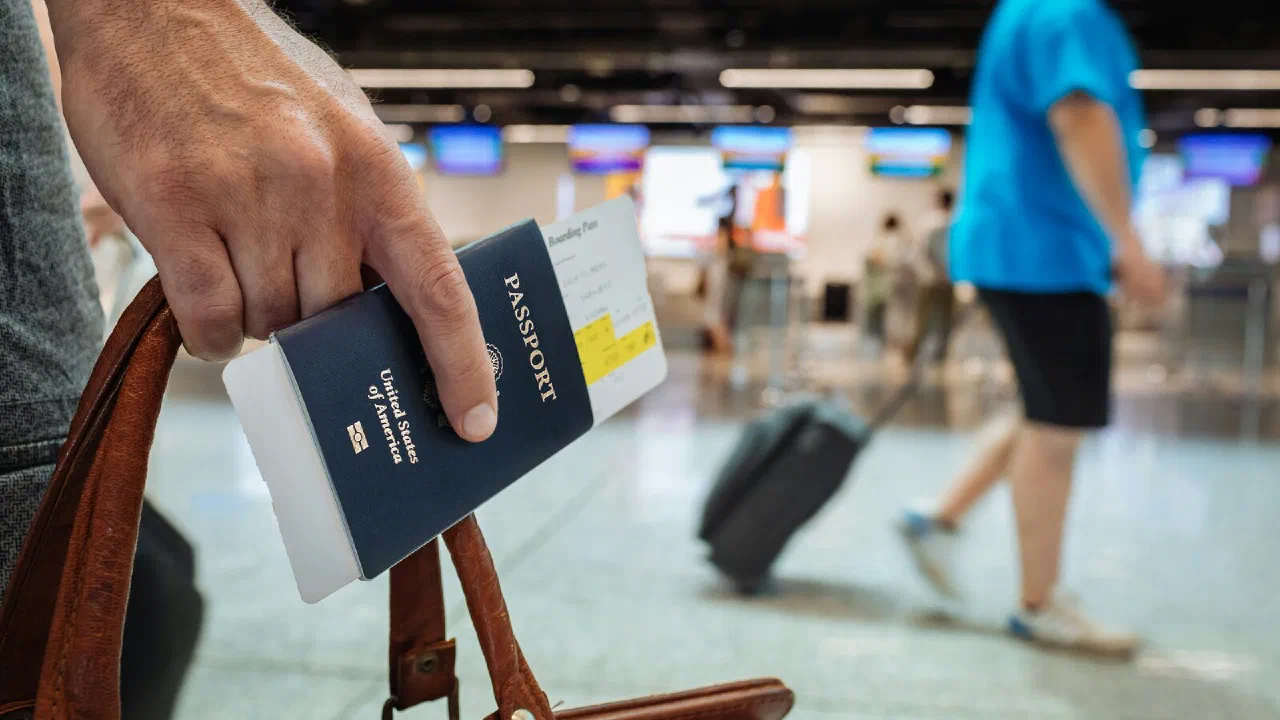
Use the visitor stamp to scout Mérida, Mexico for a season. Do not use it to live here. It is a fine instrument for the trip where you decide whether the heat, the colonias and the electricity bill are survivable for you, and a poor one for anything after that decision — because almost everything a long stay requires is gated behind a residency card you cannot get from inside the visitor status.
That is the verdict. What follows is what the stamp actually is, what it locks you out of in this city specifically, and the two cases where it is the right call.
Checked on 2 September 2026.
What “up to 180 days” actually means
The visitor permit — the Forma Migratoria Múltiple, now issued digitally as the e-FMM — has a maximum validity of 180 natural days and is good for a single entry. Two words in that sentence get skipped.
“Maximum.” The number of days is set by the officer at the port of entry, at their discretion, according to the stated reason and length of the visit. One hundred and eighty is a ceiling, not a default and not an entitlement. Arrive with a one-way ticket, a vague answer about how long you are staying, and a recent history of long stays, and you may be written a much shorter number. You find out at the counter, after you have flown.
“Single entry.” The permit is spent when you leave. A new entry means a new permit and a new discretionary decision by a different officer.
The permit also comes with an explicit condition: visitor status carries no permission to perform remunerated activities. That is a statement about work performed in Mexico, and it is one of the reasons the “just keep re-entering” plan is thinner than it looks for anyone whose money is not passive.
What it buys you
Genuinely useful things, and this post is not sniffy about them.
A real season. You can be in Mérida from November through April on one stamp — the dry, tolerable half of the year — or, more usefully for a decision, you can be here in May, June and July and find out what the heat and the electricity bill actually do to you. Every budget written by someone who visited in January is wrong for a reason (the CFE summer bill is that reason).
A short-term rental, and the colonia decision. You cannot easily sign a serious long lease as a visitor, but you can spend three months in Centro and three in the north and settle the question that costs the most to get wrong: the colonia decision.
Time to assemble the file. Six months of statements is six months. If your income window has a thin month in it, a scouting trip is a productive way to spend the wait before filing for residente temporal by income.
A SIM card, most day-to-day commerce, and a life. Prepaid phone service, deliveries, markets, private doctors paid in cash — none of that needs a residency card.
What it locks you out of
This is the part the “perpetual tourist” pages leave out, and in Mérida it is concrete.
The CURP. The Clave Única de Registro de Población is the identifier the rest of the country runs on, and for a foreigner it arrives with the residency card — it is printed on the front of it. Without it you are outside a lot of ordinary Mexican administration. What the CURP gates is the full list, and it is longer than people expect.
A bank account. Mexican banks ask a foreigner for proof of legal stay and, in practice, for a CURP and a residency card. Which means a visitor is running a life here on foreign cards, foreign ATM fees and cash — workable for three months, expensive for three years. What each bank asks for is the detail.
IMSS. Voluntary affiliation is a residency-linked door. A visitor’s health cover is whatever travel or international policy they arrived with, and at 65 that is not a small distinction. The healthcare post is where that decision gets made properly.
A serious lease. Landlords in Mérida who use a contrato de arrendamiento with a póliza jurídica want a tenant with status and documents. A visitor gets the furnished, short-term, foreigner-priced end of the market — which is fine for a season and expensive as a way of life. The fiador problem is hard enough with a card.
Working legally. Whatever your arrangement with an employer abroad, visitor status does not carry permission for remunerated activity in Mexico. Working legally on a residente temporal is where the real version of that question lives.
The “border run” question
People ask whether you can leave and come back to reset the clock. Mechanically, a new entry means a new permit. That is not the same as it being a plan.
Every re-entry is a fresh discretionary decision, made by an officer who can see your entry history. A pattern of consecutive long stays with short exits is visible, and there is nothing in the rules that obliges anyone to keep writing 180. A shorter grant is not a punishment or an appeal-able decision. It is just the number you got, and you are now living in a house you leased on an assumption.
The failure mode is not being turned away at the border. It is being written 30 days when you have a year’s lease, a car and a dentist. That is why this site treats the stamp as a scouting instrument and not a status.
Changing status from inside Mexico
The short version: plan to get the visa at a consulate abroad. The resident visa is issued outside Mexico, and the standard path is consulate → single-entry visa → enter → canje at INM within 30 days (the canje).
There are circumstances in which a person already in Mexico can apply to change condition of stay from inside the country, and they are narrower than the internet suggests — family ties being the clearest. If you think you are in one of those cases, this is exactly the point at which paying a gestor or an immigration lawyer stops being optional, because the difference between “narrow exception” and “wishful reading” is worth a consultation and not worth a guess.
For everyone else: fly home, file at your consulate, come back with the visa. It is more flights and less risk.
The two cases where the stamp is the right call
You have not decided yet. If you are still comparing Mérida against Oaxaca, Puebla, San Miguel or somewhere outside Mexico entirely, do not file for residency to go and look. Come as a visitor, come in summer, and make the decision with the bill in front of you.
Your six months are not clean yet. If your income window has a gap, or your twelve-month average balance is three months short of qualifying, the visitor stamp is how you spend the wait usefully instead of filing a file that fails.
In both cases you are using the stamp for what it is: a look, not a life. Then you file properly, at your own consulate, against whichever route actually fits you.
Where to check this
- The permit, its validity and how to fill it in before you fly: INM’s own Forma Migratoria Múltiple pages.
- Days granted: the officer at the port of entry. No page can tell you in advance.
- The residency routes: DOF código 5763837, and your consulate.
None of this is immigration advice, and the days you are granted are a discretionary decision this site cannot predict. What it can tell you is which parts of a life in Mérida quietly require a card — and it is most of them.